
The Connected Condition: Romanticism and the Dream of Communication (Stanford Text Technologies)
The Romantic poet’s intense yearning to share thoughts and feelings often finds expression in a style that thwarts a connection with readers. Yohei Igarashi addresses this paradox by reimagining Romantic poetry as a response to the beginnings of the information age. Data collection, rampant connectivity, and efficient communication became powerful social norms during this period. The Connected Condition argues that poets responded to these developments by probing the underlying fantasy: the perfect transfer of thoughts, feelings, and information, along with media that might make such communication possible.
This book radically reframes major poets and canonical poems. Igarashi considers Samuel Taylor Coleridge as a stenographer, William Wordsworth as a bureaucrat, Percy Shelley amid social networks, and John Keats in relation to telegraphy, revealing a shared attraction and skepticism toward the dream of communication. Bringing to bear a singular combination of media studies, the history of communication, sociology, rhetoric, and literary history, The Connected Condition proposes new accounts of literary difficulty and Romanticism. Above all, this book shows that the Romantic poets have much to teach us about living with the connected condition and the fortunes of literature in it.
 Theatre & the digital
  Hemispheric Regionalism
  Protocols of Liberty: Communication Innovation & the American Revolution
  The Reading Nation in the Romantic Period
  Enlightenment
 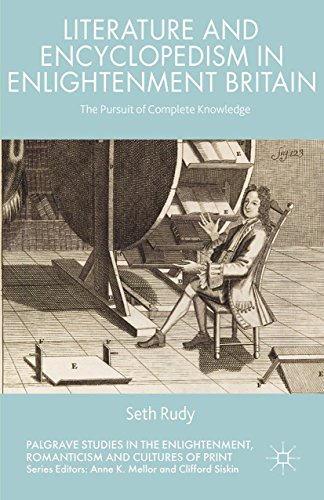 Literature and Encyclopedism in Enlightenment Britain: The Pursuit of Complete Knowledge (Palgrave Studies in the Enlightenment, Romanticism and Cultures of Print)
 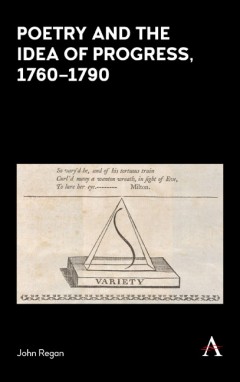 Poetry and the Idea of Progress, 1760–90
  The Ends of Knowledge: Outcomes and Endpoints Across the Arts and Sciences
 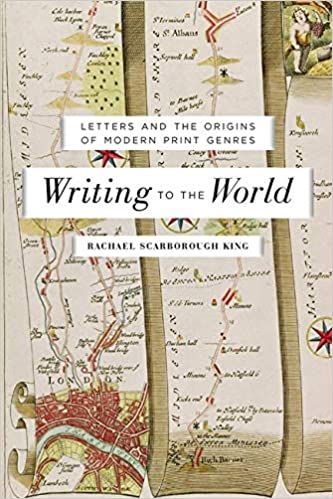 Writing to the World: Letters and the Origins of Modern Print Genres
 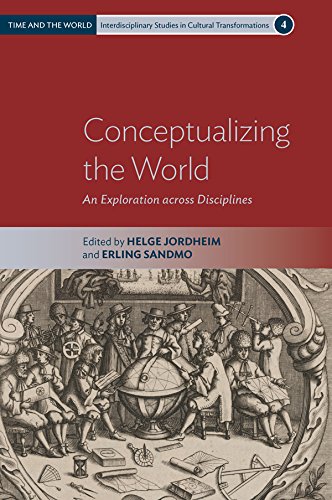 Conceptualizing the World: An Exploration across Disciplines (Time and the World: Interdisciplinary Studies in Cultural Transformations Book 4)
 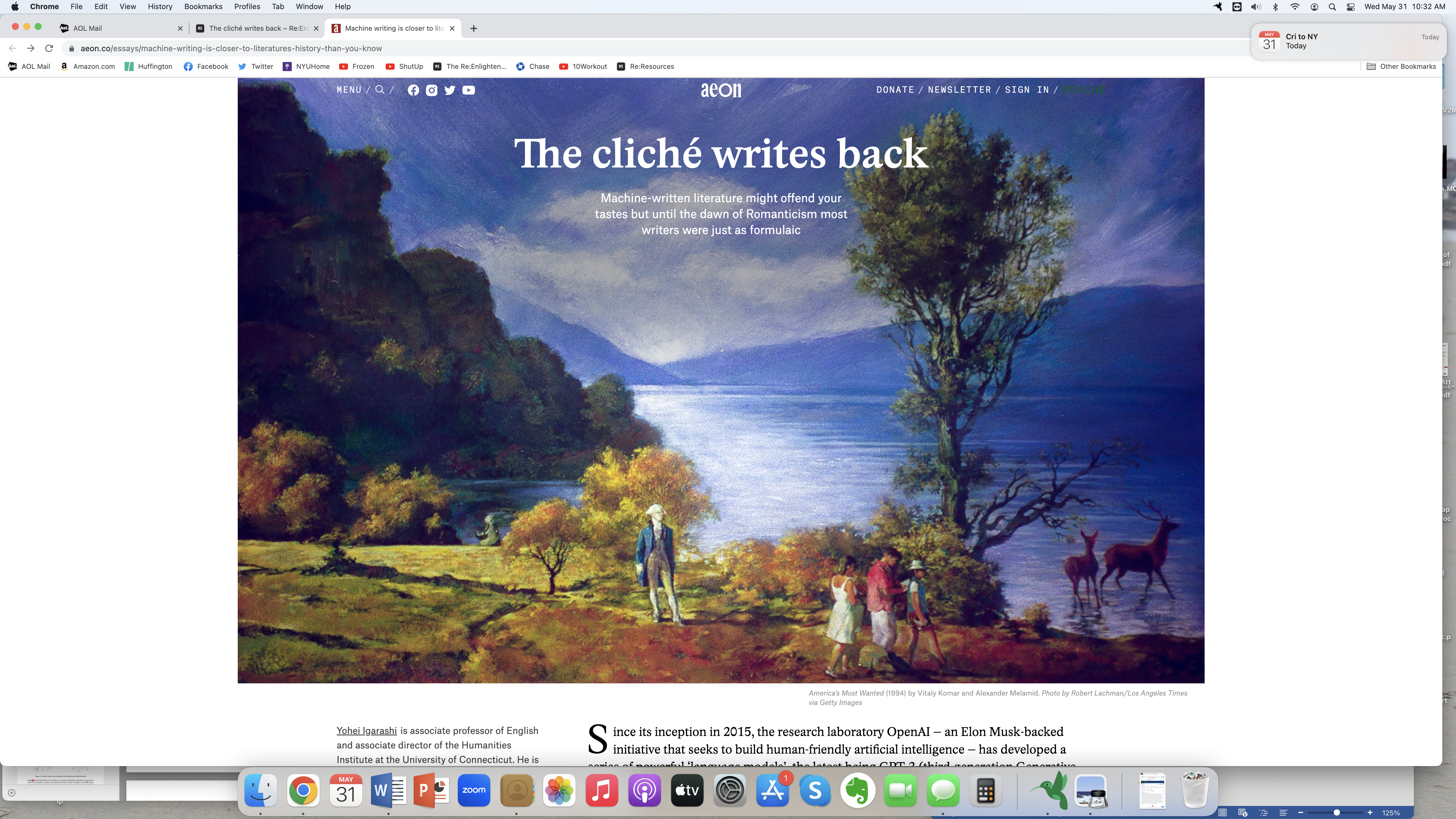 The cliché writes back