
Semantic Network Analysis of Contested Political Concepts
This work presents methods for exploring the lexical environment of political concepts using interactive network visualisations of corpus-derived grammatical relations and word associations. The conceptual relations consist of part-of-speech tagged words connected by typed, weighted, edges indicating the strength of relations between words, as measured by pointwise mutual information of different types of co-occurrences. An interactive animated interface allows users to adjust the node degree directly, or to specify edge-weight thresholds, and observe the resulting effect on the network. The system can be searched by neighbourhood sub-graphs (`ego graphs’) of particular sets of query terms. The force-directed layout of the network highlights conceptual structure, as terms connected by many relations are drawn together, and the user can select which subsets of relations and sub-corpora to display. Community detection (cliques) and centrality measures provide additional comparative measures of the use of contested concepts in diverse political communities. As an example of such a system for exploring the structure of political concepts, an implementation on comments from libertarian and socialist partisan online communities is presented. The work is motivated by the extensive theoretical treatment of political conceptual morphology but limited computational implementations extant in the literature.
 The Uses of Genre: Is There an “Adam Smith Question”?
  Humanistic infrastructure studies: hyper-functionality and the experience of the absurd
  Into the archive of ubiquitous computing: the data perfect tense and the historicization of the present
  Provincializing Enlightenment: “Edinburgh” Historicism and the Blackwoodian Regional Tale
 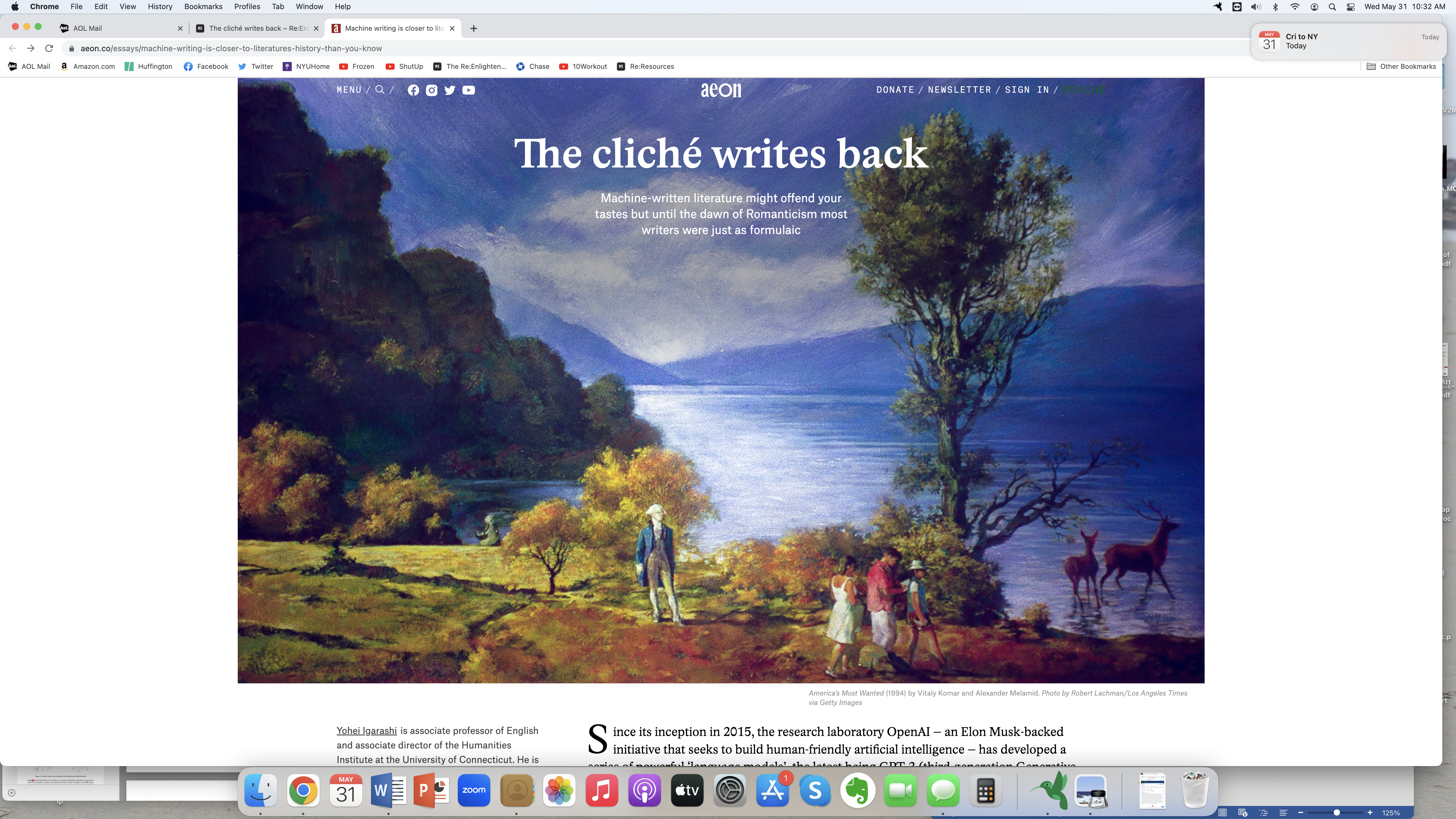 The cliché writes back
  MAPPING LONDON’S EMOTIONS
  BRIEF ENCOUNTERS: EDUCATIONAL STUDIES AND THE PUBLIC INTELLECTUAL
 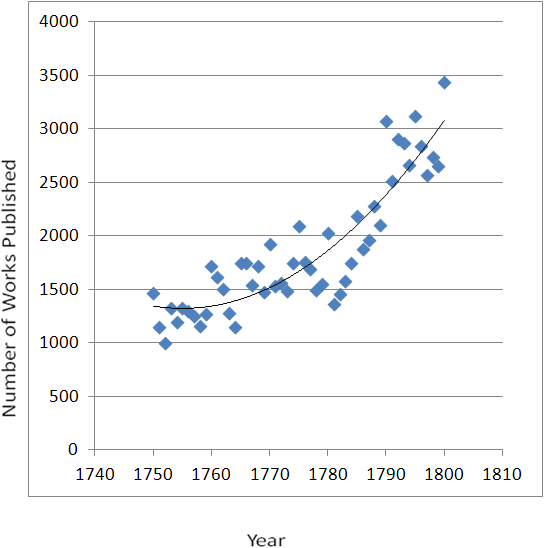 Acts of Aesthetics: Publishing as Recursive Agency in the Long Eighteenth Century
  On Paragraphs. Scale, Themes, and Narrative Form
  James Hogg and the Medium of Romantic Prose