
James Hogg and the Medium of Romantic Prose
A recent media turn in Romantic studies has foregrounded the ballad—and poetry more generally—as a privileged site for understanding how questions about medium and mediality feature in the writing of the period. But do such questions feature in the era’s prose genres, as well? And is it possible to talk about a medium of Romantic prose as Celeste Langan and Maureen N. McLane talk about a medium of Romantic poetry? In this essay, I suggest that the answer to both of these questions is “yes,” and to show this I turn to the prose tales of James Hogg, a Romantic-period writer who not only recognized bonds of affinity between metrical and prose composition, but also understood ballads and tales to be versions—interchangeable, in a sense—of each other. Like the ballad, I argue, the tale, too, can be understood as a “hybrid oral and textual practice” (in Paula McDowell’s words), a prose form that exhibits a subtle self-consciousness about its own medial status.
 Semantic Network Analysis of Contested Political Concepts
  The Uses of Genre: Is There an “Adam Smith Question”?
  Humanistic infrastructure studies: hyper-functionality and the experience of the absurd
  Into the archive of ubiquitous computing: the data perfect tense and the historicization of the present
  Provincializing Enlightenment: “Edinburgh” Historicism and the Blackwoodian Regional Tale
 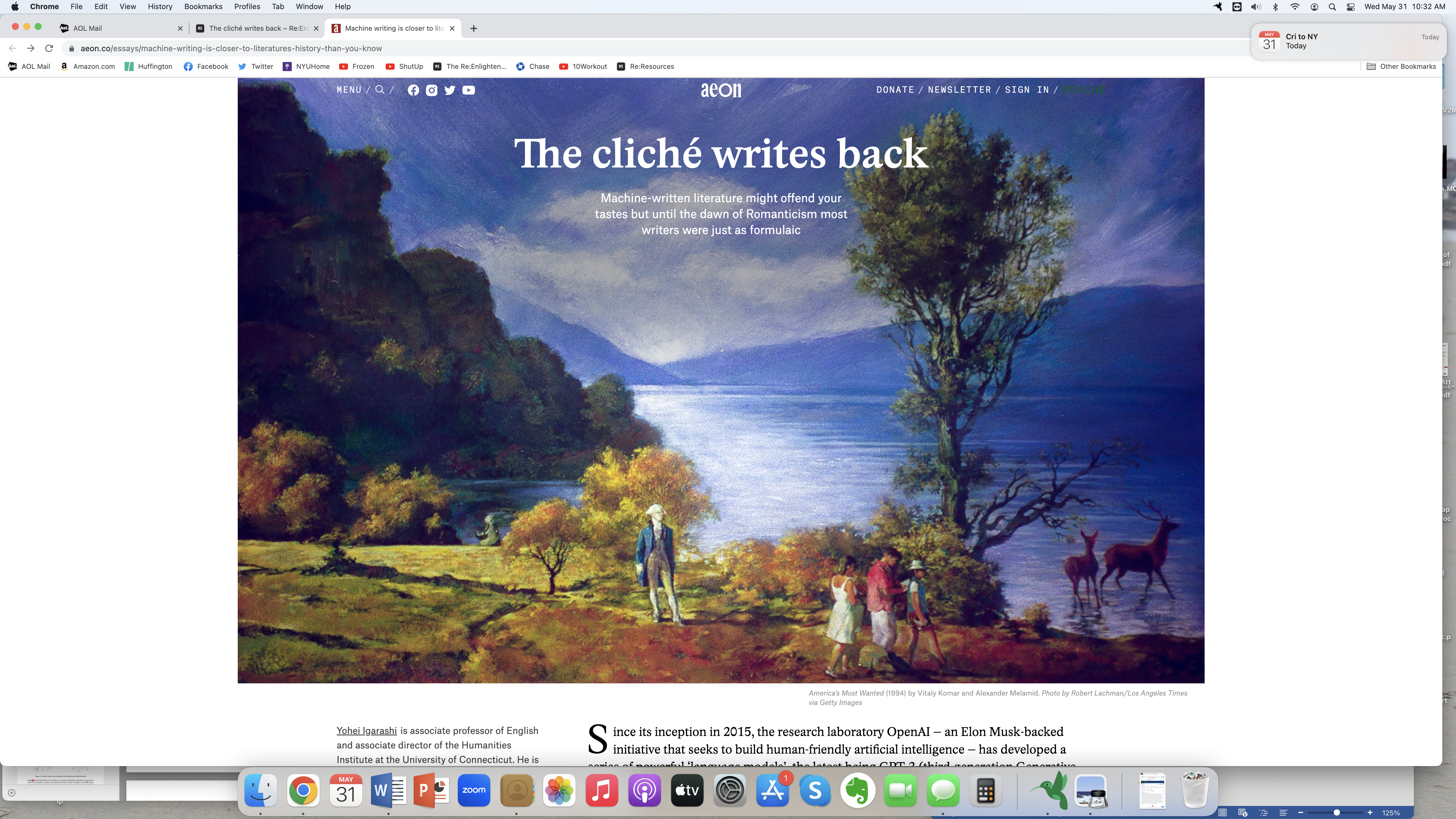 The cliché writes back
  MAPPING LONDON’S EMOTIONS
  BRIEF ENCOUNTERS: EDUCATIONAL STUDIES AND THE PUBLIC INTELLECTUAL
 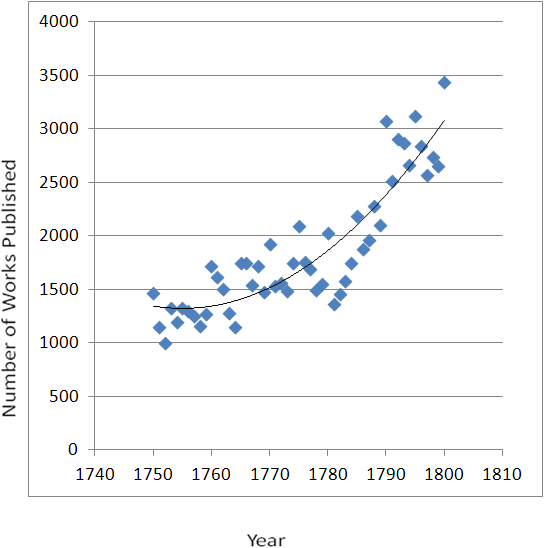 Acts of Aesthetics: Publishing as Recursive Agency in the Long Eighteenth Century
  On Paragraphs. Scale, Themes, and Narrative Form
 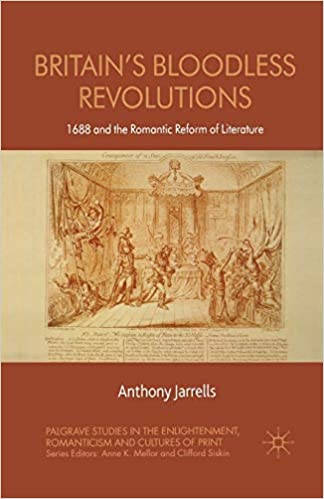 Britain’s Bloodless Revolutions: 1688 and the Romantic Reform of Literature (Palgrave Studies in the Enlightenment, Romanticism and Cultures of Print)
 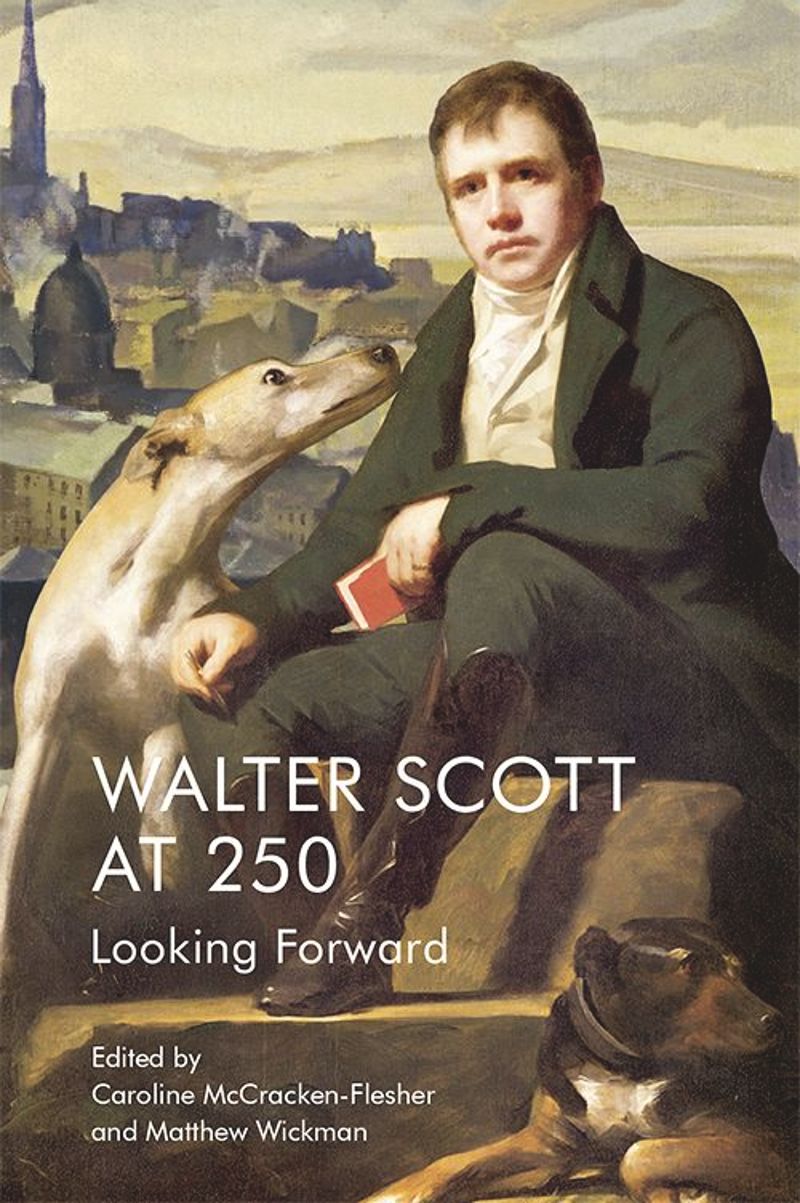 Scott, the Novel, and Capital in the Nineteenth Century