
Scott, the Novel, and Capital in the Nineteenth Century
Walter Scott in the twenty-first century
Ten essays that show Scott is a man for our times
Major scholars introduce a new Walter Scott
New ideas on the novel and temporality
New ideas about Scott’s playful textuality
Introducing the women of Abbotsford
At 250, Walter Scott points toward our possible futures. Scott, although we necessarily look on his times as past, of course experienced them as present. His times were times of crisis. Scott, then, has much to share in the experience, narration, anticipation and response to change as a condition of life – a condition our era, with its existential challenges to climate, to public health, to civilization knows only too well. In Scott at 250, major scholars foreground the author as theorist of tomorrow – as the surveyor of the complexities of the present who also gazes, as we do, toward an anxious and hopeful future.
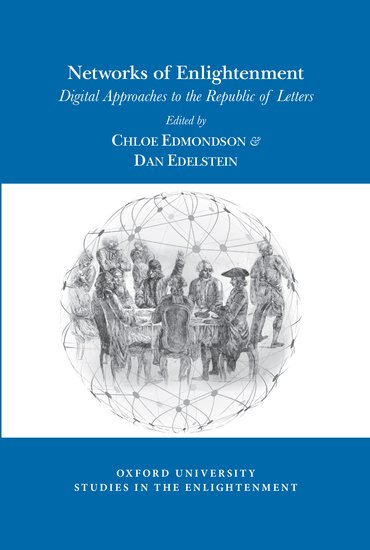 The Principles of Meaning: Networks of Knowledge in Johnson’s Dictionary
  Computing Koselleck: Modeling Semantic Revolutions, 1720-1960
 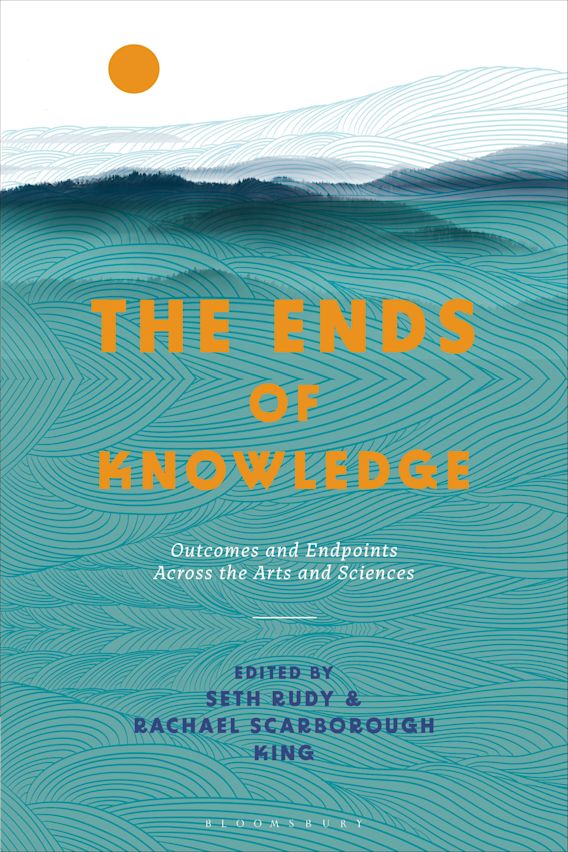 The Ends of Cultural Studies
  Bibliographical Alterities
 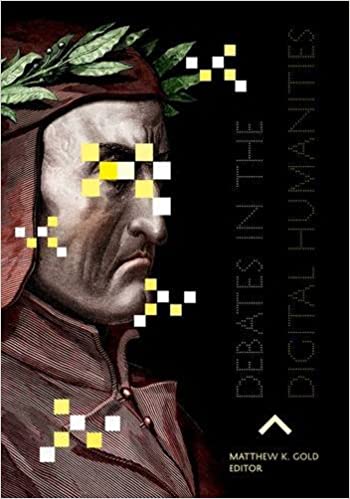 Humanistic Theory and Digital Scholarship
  Provincializing Enlightenment: “Edinburgh” Historicism and the Blackwoodian Regional Tale
 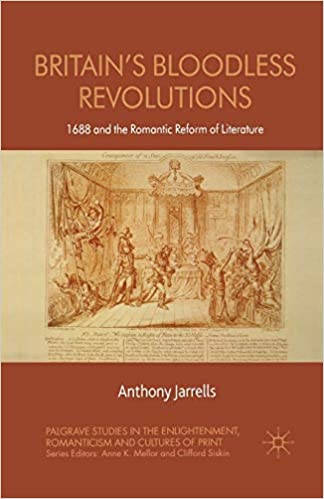 Britain’s Bloodless Revolutions: 1688 and the Romantic Reform of Literature (Palgrave Studies in the Enlightenment, Romanticism and Cultures of Print)
  James Hogg and the Medium of Romantic Prose