
The Architecture of Concepts: The Historical Formation of Human Rights
The Architecture of Concepts proposes a radically new way of understanding the history of ideas. Taking as its example human rights, it develops a distinctive kind of conceptual analysis that enables us to see with precision how the concept of human rights was formed in the eighteenth century.
The first chapter outlines an innovative account of concepts as cultural entities. The second develops an original methodology for recovering the historical formation of the concept of human rights based on data extracted from digital archives. This enables us to track the construction of conceptual architectures over time.
Having established the architecture of the concept of human rights, the book then examines two key moments in its historical formation: the First Continental Congress in 1775 and the publication of Tom Paine’s Rights of Man in 1792. Arguing that we have yet to fully understand or appreciate the consequences of the eighteenth-century invention of the concept “rights of man,” the final chapter addresses our problematic contemporary attempts to leverage human rights as the most efficacious way of achieving universal equality.
 Theatre & the digital
 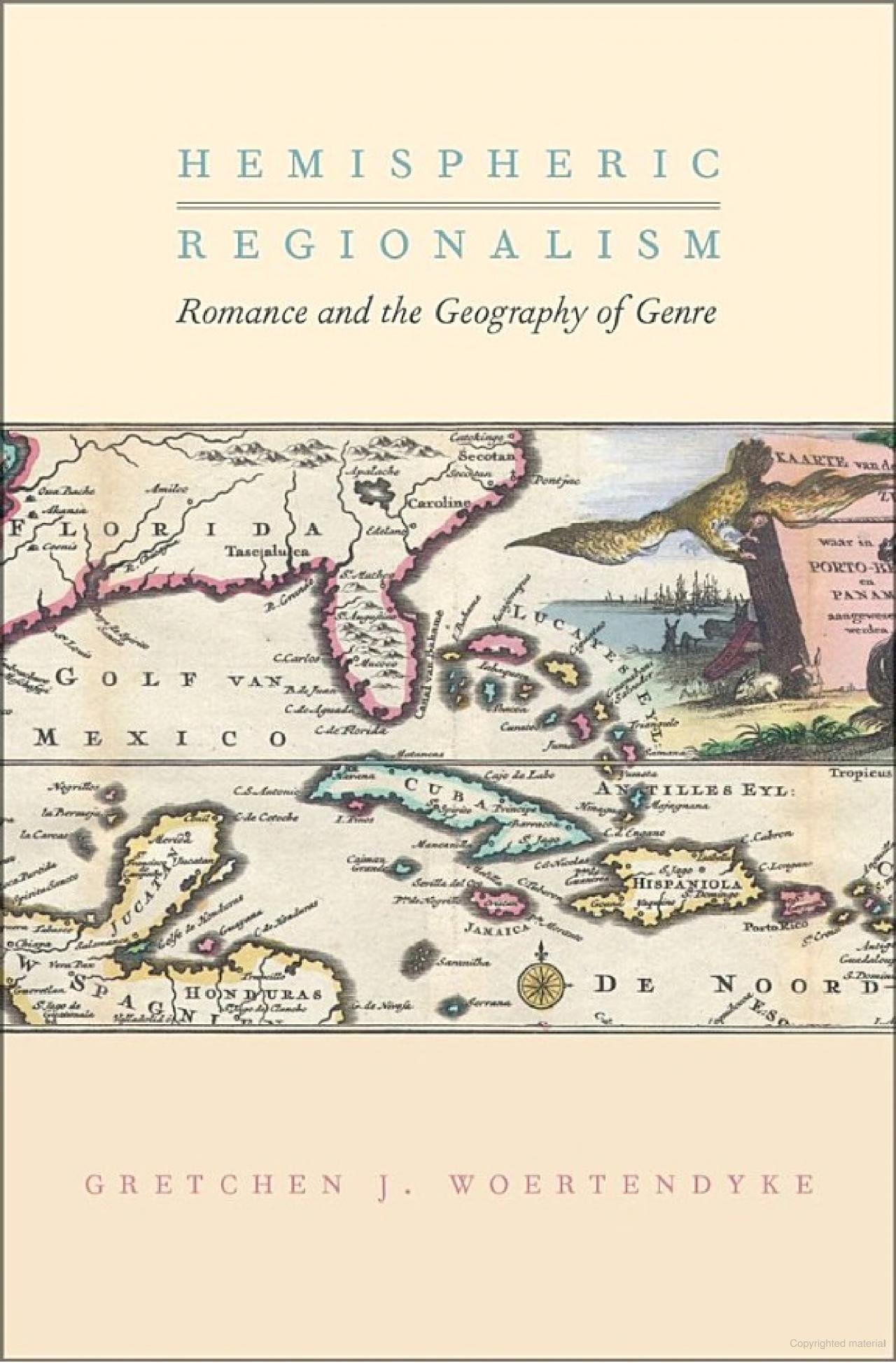 Hemispheric Regionalism
  Protocols of Liberty: Communication Innovation & the American Revolution
  The Reading Nation in the Romantic Period
 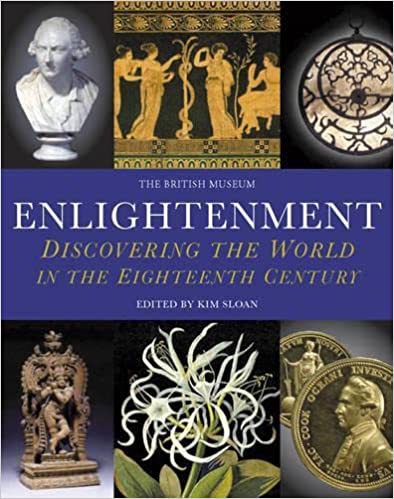 Enlightenment
  Literature and Encyclopedism in Enlightenment Britain: The Pursuit of Complete Knowledge (Palgrave Studies in the Enlightenment, Romanticism and Cultures of Print)
  Poetry and the Idea of Progress, 1760–90
  The Ends of Knowledge: Outcomes and Endpoints Across the Arts and Sciences
  Writing to the World: Letters and the Origins of Modern Print Genres
 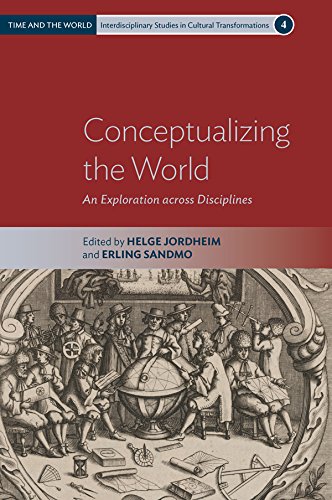 Conceptualizing the World: An Exploration across Disciplines (Time and the World: Interdisciplinary Studies in Cultural Transformations Book 4)