
On Posthuman War: Computation and Military Violence
Tracing war’s expansion beyond the battlefield to the concept of the human being itself
As military and other forms of political violence become the planetary norm, On Posthuman War traces the expansion of war beyond traditional theaters of battle. Drawing on counterinsurgency field manuals, tactical manifestos, data-driven military theory, and asymmetrical-war archives, Mike Hill delineates new “Areas of Operation” within a concept of the human being as not only a social and biological entity but also a technical one.
Delving into three human-focused disciplines newly turned against humanity, OnPosthuman War reveals how demography, anthropology, and neuroscience have intertwined since 9/11 amid the “Revolution in Military Affairs.” Beginning with the author’s personal experience training with U.S. Marine recruits at Parris Island, Hill gleans insights from realist philosophy, the new materialism, and computational theory to show how the human being, per se, has been reconstituted from neutral citizen to unwitting combatant. As evident in the call for “bullets, beans, and data,” whatever can be parted out, counted, and reassembled can become war materiel. Hill shows how visible and invisible wars within identity, community, and cognition shift public-sphere activities, like racial identification, group organization, and even thought itself, in the direction of war. This shift has weaponized social activities against the very notion of society.
On Posthuman War delivers insights on the latest war technologies, strategies, and tactics while engaging in questions poised to overturn the foundations of modern political thought.
 Theatre & the digital
 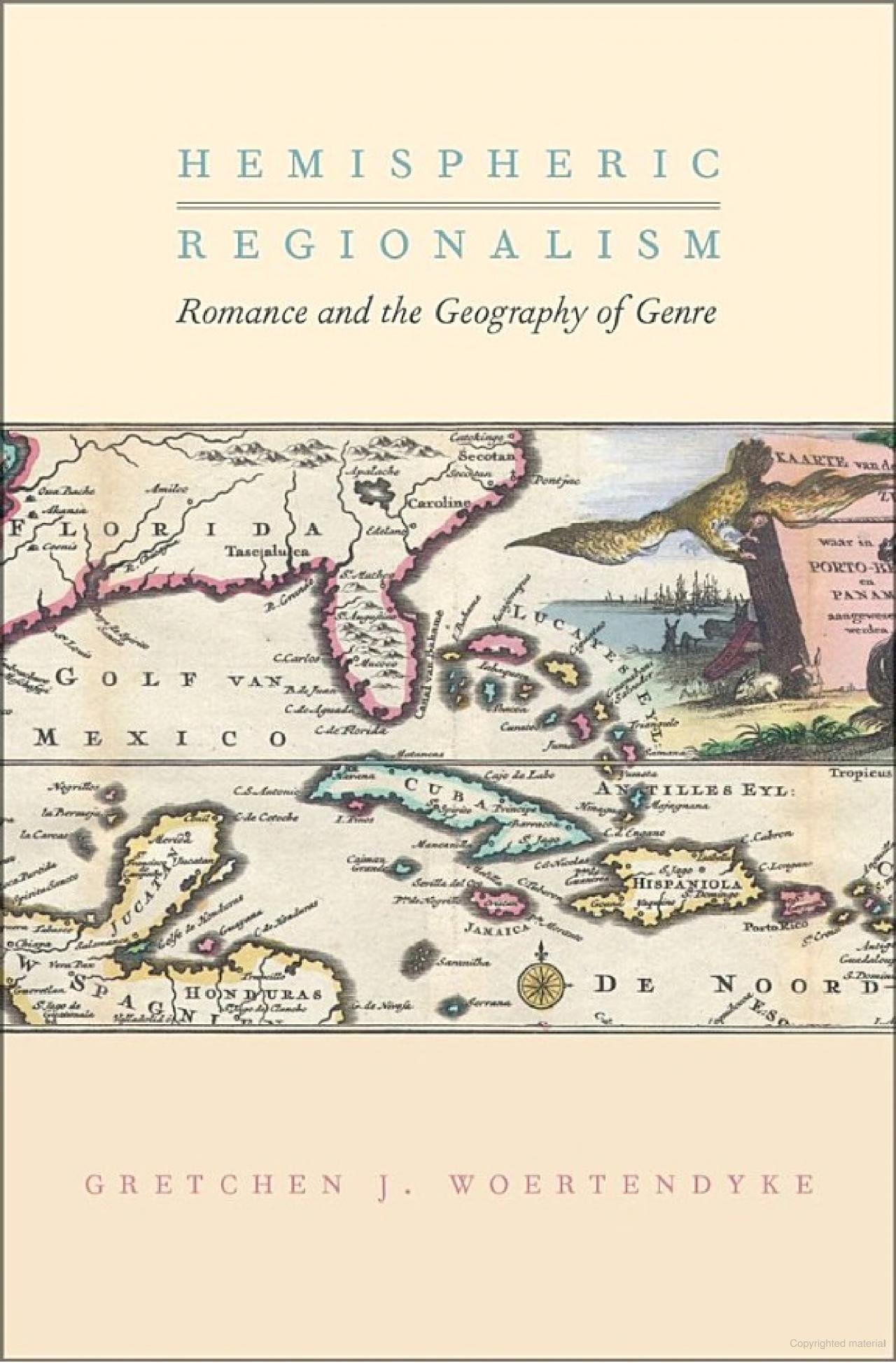 Hemispheric Regionalism
  Protocols of Liberty: Communication Innovation & the American Revolution
  The Reading Nation in the Romantic Period
 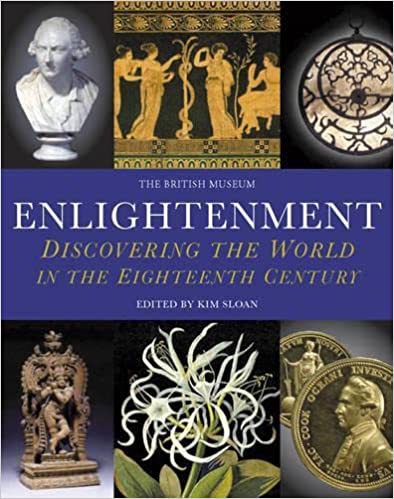 Enlightenment
  Literature and Encyclopedism in Enlightenment Britain: The Pursuit of Complete Knowledge (Palgrave Studies in the Enlightenment, Romanticism and Cultures of Print)
  Poetry and the Idea of Progress, 1760–90
 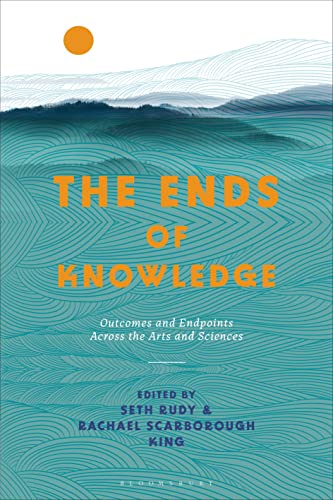 The Ends of Knowledge: Outcomes and Endpoints Across the Arts and Sciences
 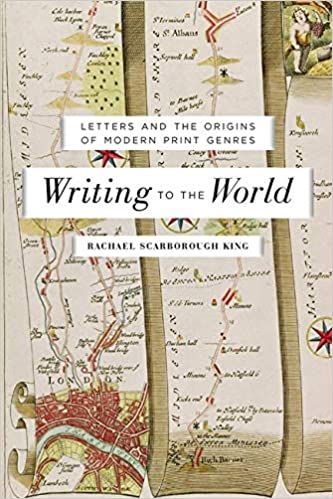 Writing to the World: Letters and the Origins of Modern Print Genres
 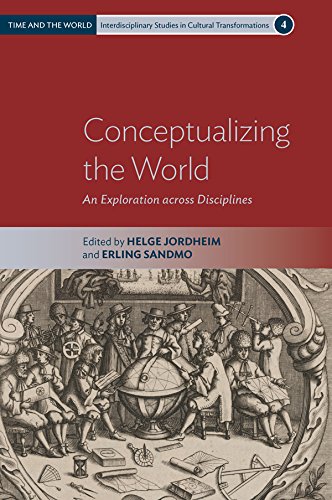 Conceptualizing the World: An Exploration across Disciplines (Time and the World: Interdisciplinary Studies in Cultural Transformations Book 4)
  The Ends of Cultural Studies
 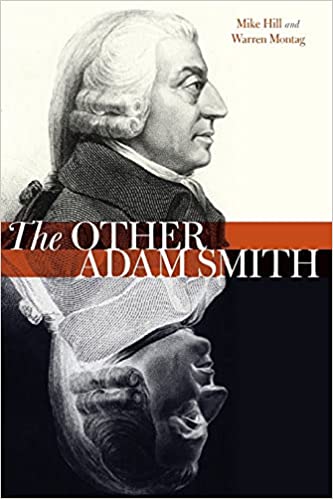 The Other Adam Smith