
Literature and Encyclopedism in Enlightenment Britain: The Pursuit of Complete Knowledge (Palgrave Studies in the Enlightenment, Romanticism and Cultures of Print)
At a moment when Google seeks “to organize the world’s information and make it universally accessible and useful”, this book tells the story of long-term aspirations, first in ancient epic and then in a wide range of literary and non-literary works from the early modern era and British Enlightenment, to comprehend, record, and disseminate complete knowledge of the world. It is also a story of the persistent failure of these aspirations, their collapse in the late eighteenth century, and the subsequent redefinition of completeness in modern literary and disciplinary terms. The book argues that the pursuit of complete knowledge advanced the separation of epic from encyclopedia, literature from “Literature”, and the sciences from the humanities; it demonstrates that the distinctions between “high” and “low”, ephemeral and eternal, useful and useless that persist today all stem from the concepts of completeness that emerged during and as a result of the Enlightenment.
 Theatre & the digital
 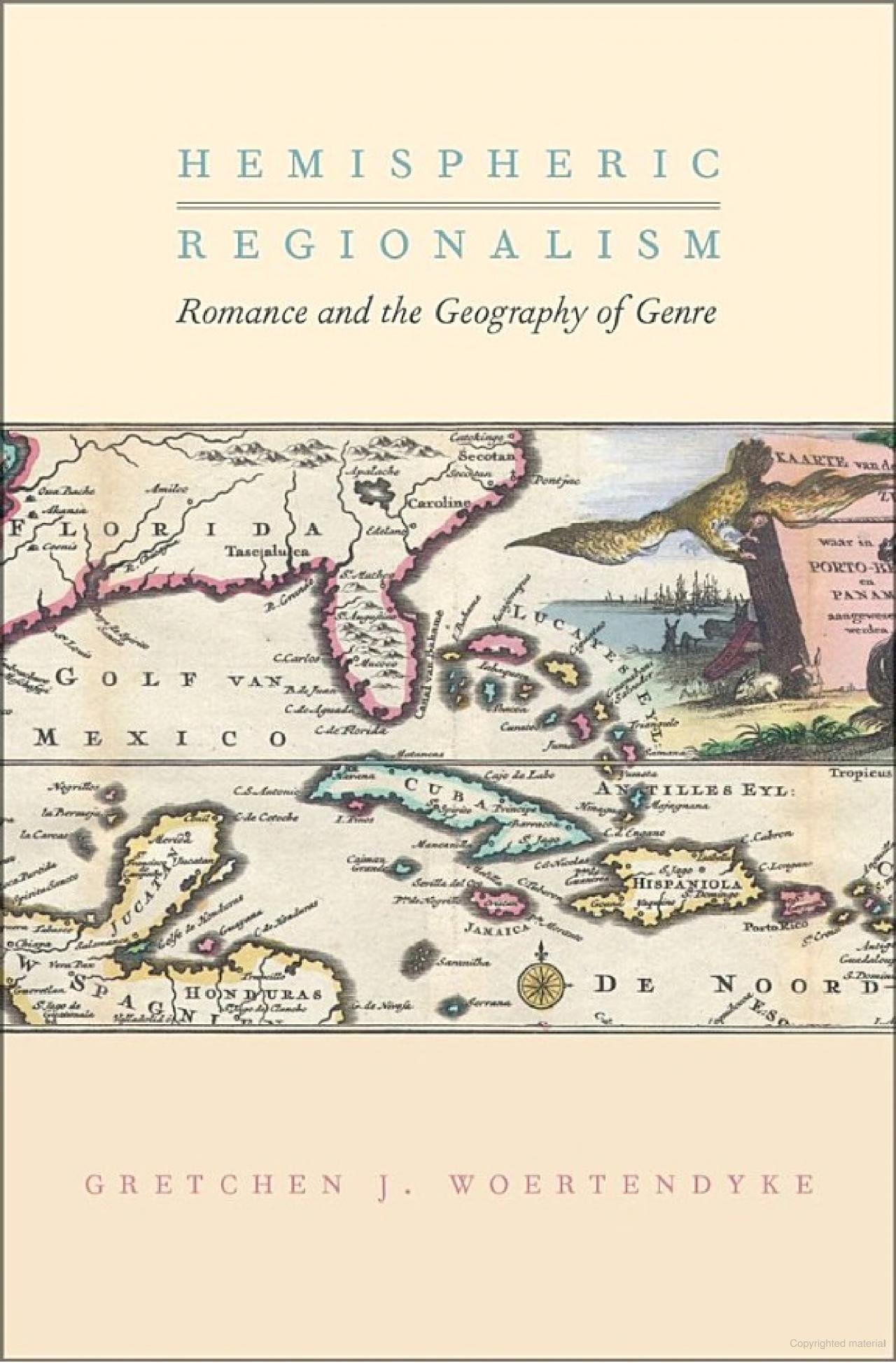 Hemispheric Regionalism
  Protocols of Liberty: Communication Innovation & the American Revolution
 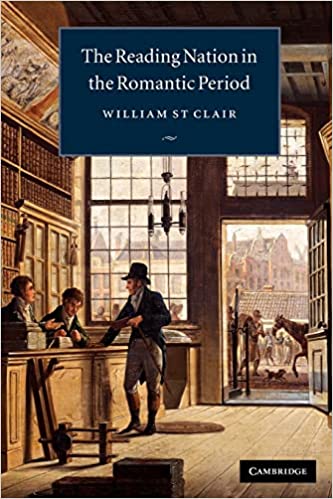 The Reading Nation in the Romantic Period
 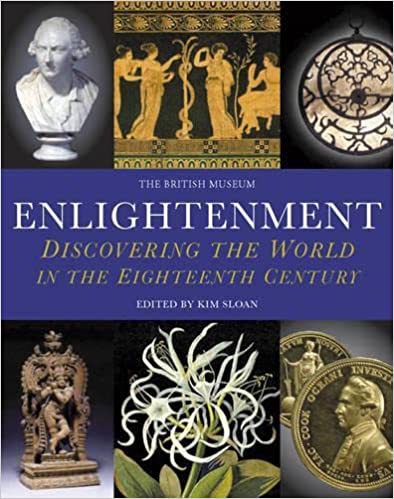 Enlightenment
  Poetry and the Idea of Progress, 1760–90
  The Ends of Knowledge: Outcomes and Endpoints Across the Arts and Sciences
  Writing to the World: Letters and the Origins of Modern Print Genres
  Conceptualizing the World: An Exploration across Disciplines (Time and the World: Interdisciplinary Studies in Cultural Transformations Book 4)
 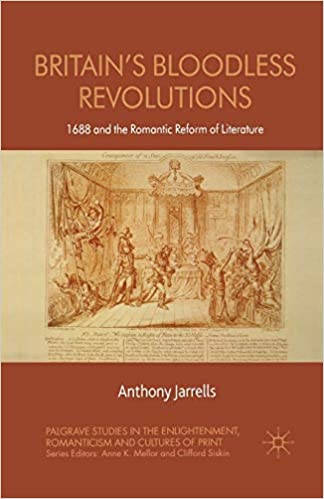 Britain’s Bloodless Revolutions: 1688 and the Romantic Reform of Literature (Palgrave Studies in the Enlightenment, Romanticism and Cultures of Print)