
Byron (Writers and their Work)
After Shakespeare the most famous British author in Europe, in Britain Byron was for years either neglected, or a victim of the myth of his own personality. Now he is read and studied both for his complex politics and as a forerunner of many of the ideas and techniques more usually associated with post-modernism. Bone tackles the critical problems both of the populism of much of Byron’s early work, and conversely of the sophisticated comedy of Beppo, Don Juan and The Vision of Judgement. He argues that for all its contradictoriness Byron’s poetic mind develops organically, and that the scintillating technique of the late works grow out of the profoundly modern world-view, relativistic and secular, which had developed through his early years. Byron’s writing are seen as a vital area for post-ideological and new found criticism.
 Theatre & the digital
 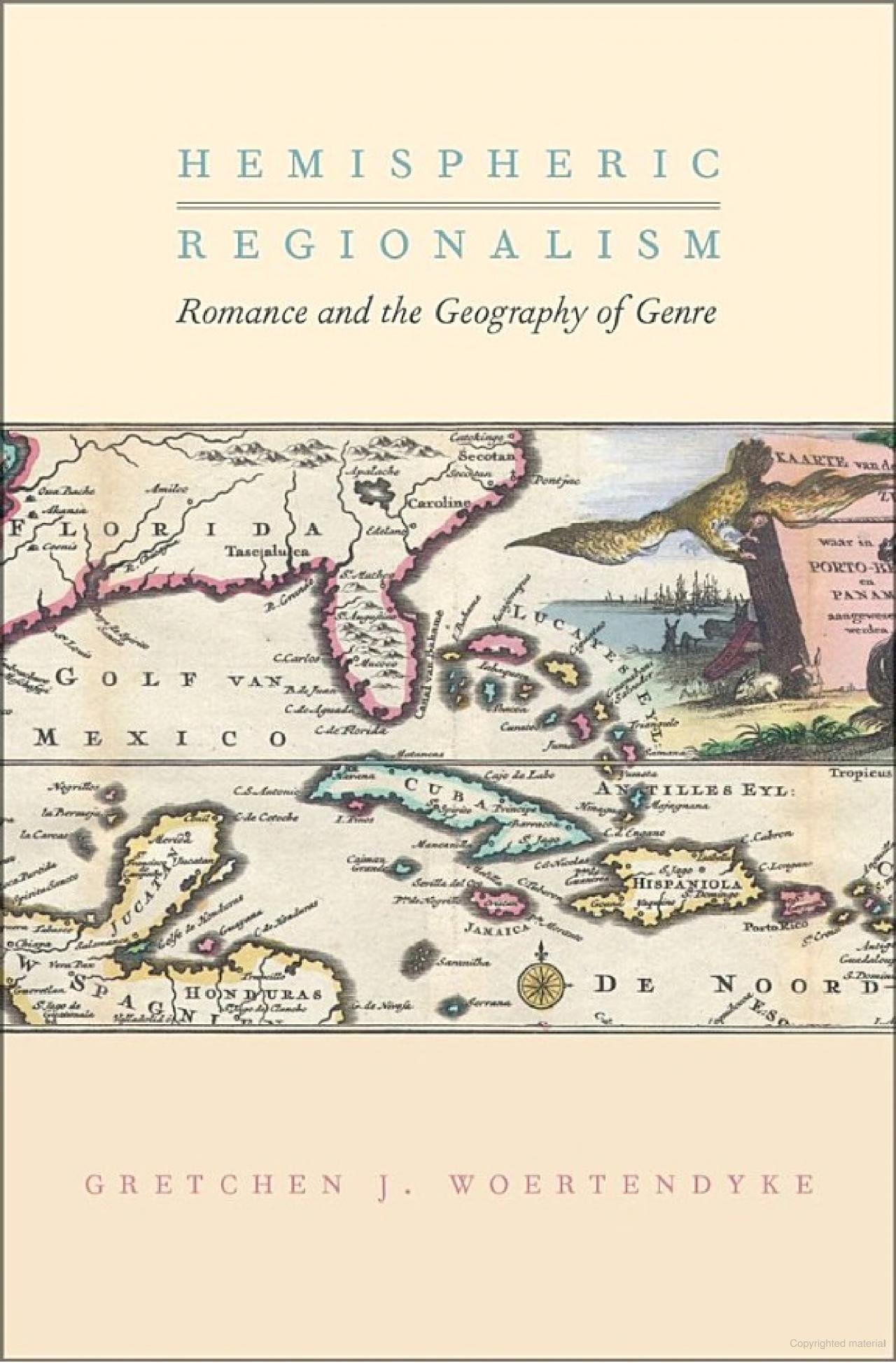 Hemispheric Regionalism
  Protocols of Liberty: Communication Innovation & the American Revolution
 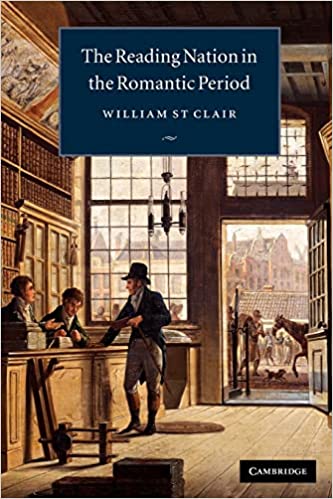 The Reading Nation in the Romantic Period
 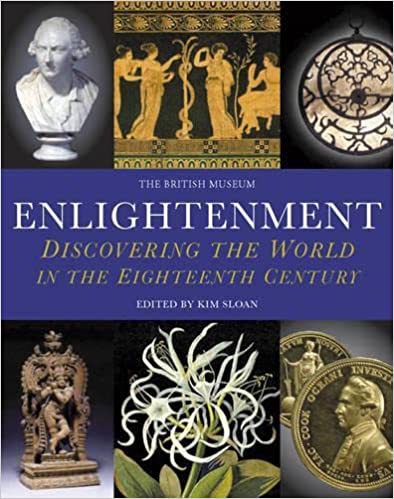 Enlightenment
 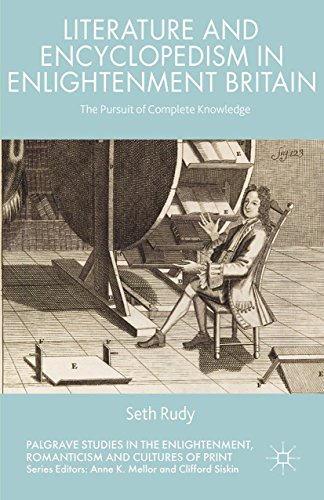 Literature and Encyclopedism in Enlightenment Britain: The Pursuit of Complete Knowledge (Palgrave Studies in the Enlightenment, Romanticism and Cultures of Print)
 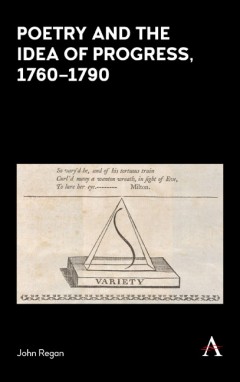 Poetry and the Idea of Progress, 1760–90
  The Ends of Knowledge: Outcomes and Endpoints Across the Arts and Sciences
 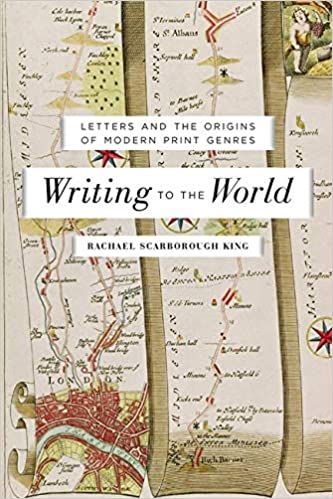 Writing to the World: Letters and the Origins of Modern Print Genres
  Conceptualizing the World: An Exploration across Disciplines (Time and the World: Interdisciplinary Studies in Cultural Transformations Book 4)
  Ada Lovelace: the woman behind the hype.