
Writing to the World: Letters and the Origins of Modern Print Genres
Letters played a foundational role in facilitating the rise of print and popularizing new modes of writing in the long eighteenth century.
In Writing to the World, Rachael Scarborough King examines the shift from manuscript to print media culture in the long eighteenth century. She introduces the concept of the “bridge genre,” which enables such change by transferring existing textual conventions to emerging modes of composition and circulation. She draws on this concept to reveal how four crucial genres that emerged during this time―the newspaper, the periodical, the novel, and the biography―were united by their reliance on letters to accustom readers to these new forms of print media.
King explains that as newspapers, scientific journals, book reviews, and other new genres began to circulate widely, much of their form and content was borrowed from letters, allowing for easier access to these unfamiliar modes of printing and reading texts. Arguing that bridge genres encouraged people to see themselves as connected by networks of communication―as members of what they called “the world” of writing―King combines techniques of genre theory with archival research and literary interpretation, analyzing canonical works such as Addison and Steele’s Spectator, Samuel Johnson’s Lives of the Poets, and Jane Austen’s Northanger Abbey alongside anonymous periodicals and the letters of middle-class housewives.
This original and groundbreaking work in media and literary history offers a model for the process of genre formation. Ultimately, Writing to the World is a sophisticated look at the intersection of print and the public sphere.
Other Books From - Book
 Theatre & the digital
  Hemispheric Regionalism
  Protocols of Liberty: Communication Innovation & the American Revolution
  The Reading Nation in the Romantic Period
 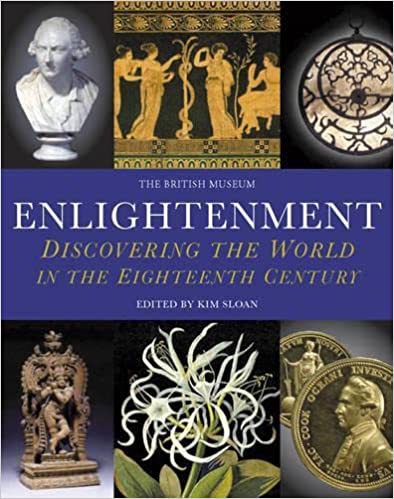 Enlightenment
 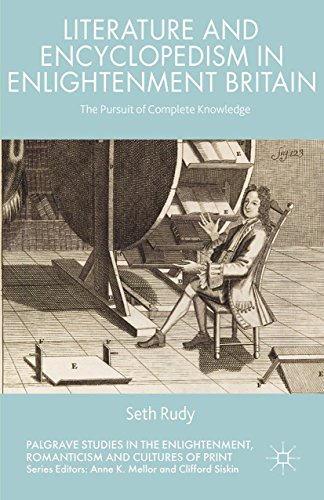 Literature and Encyclopedism in Enlightenment Britain: The Pursuit of Complete Knowledge (Palgrave Studies in the Enlightenment, Romanticism and Cultures of Print)
Book
Literature and Encyclopedism in Enlightenment Britain: The Pursuit of Complete Knowledge (Palgrave Studies in the Enlightenment, Romanticism and Cultures of Print)
Book
 Poetry and the Idea of Progress, 1760–90
 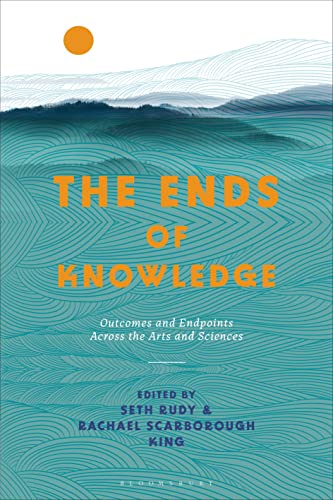 The Ends of Knowledge: Outcomes and Endpoints Across the Arts and Sciences
 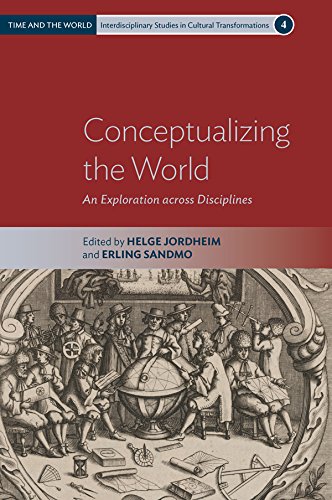 Conceptualizing the World: An Exploration across Disciplines (Time and the World: Interdisciplinary Studies in Cultural Transformations Book 4)
 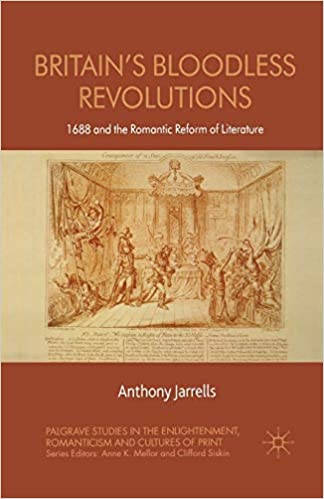 Britain’s Bloodless Revolutions: 1688 and the Romantic Reform of Literature (Palgrave Studies in the Enlightenment, Romanticism and Cultures of Print)